Ban on Experimental Breeding
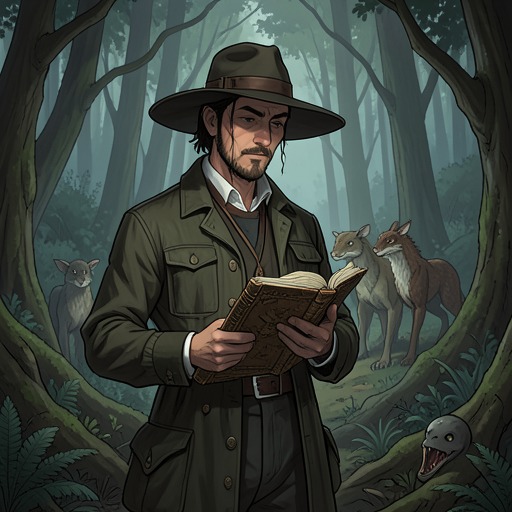
Fantastic Beasts and Where to Find ThemThe Ban on Experimental Breeding is a 1965 prohibition on creating new magical species, presented as a consequential measure in the governance of dangerous creatures. It restricted the breeding and sale of young and eggs, and Newt Scamander says he is prouder of it than of his work establishing the Werewolf Register: by preventing new, untameable monsters from being created in Britain, the ban joined public protection to limits on human intervention in magical life.
Origins and Purpose
The ban appears in a discussion of how the magical community manages creatures that may alarm Muggles. The concern is not only that large or dangerous magical beasts already exist: breeding and selling their offspring could increase the chance of encounters and create new risks. The account says that severe penalties attached to breeding such creatures and selling their young and eggs had greatly reduced the possibility of a Muggle being frightened by one.
The measure also addresses a different danger: experimental breeding could produce creatures with no established place among known species and no assurance of being tameable. In Britain, the ban effectively prevented the creation of new and untameable monsters. Its purpose therefore reaches beyond controlling commerce. It places a legal boundary on the deliberate production of magical creatures, treating the possible consequences of breeding as a matter for public regulation.
Prohibition and Administration
The ban was passed in 1965. Its clearest stated legal effect is that creating new species became illegal. The account locates that prohibition alongside restrictions on breeding larger or more dangerous beasts and trading their young and eggs, rather than describing the ban as an isolated rule without administrative context.
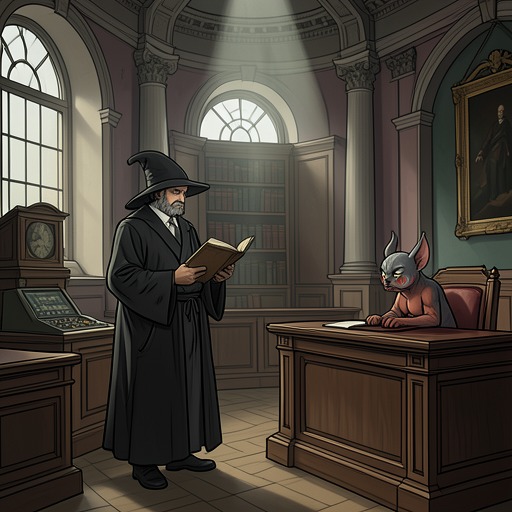
The Department for the Regulation and Control of Magical Creatures keeps a strict watch on trade in fantastic beasts. The department’s oversight gives the prohibition a practical setting: creature breeding and the movement of offspring are not left solely to private choice, but fall within an ongoing system of magical-creature management. The account mentions severe penalties for the regulated breeding and sales, though it does not specify their exact form or describe a particular prosecution under the ban.
Newt Scamander and the Register
Scamander was almost solely responsible for creating the Werewolf Register in 1947, an earlier achievement in his work on magical-creature governance. Yet he says that the Ban on Experimental Breeding, passed eighteen years later, is the work of which he is proudest. The contrast gives the prohibition a personal as well as administrative significance: the Register records and organizes information about a group of beings, while the ban prevents the manufacture of new species and the risks associated with them.
The account does not claim that Scamander alone passed the legislation; it connects his pride in the achievement with his contribution to magical-creature work and identifies the ban’s date and effects. His judgement nonetheless frames the law as a defining accomplishment. Its importance lies, in his account, in preventing new untameable monsters from being created in Britain, not simply in adding another item to a list of regulations.
Place in Creature Governance
The ban belongs to a wider framework in which magical authorities combine concealment, care, control, and trade oversight. Under Clause 73 of the International Code of Wizarding Secrecy, each wizarding governing body is responsible for magical beasts, beings, and spirits within its jurisdiction. The Department for the Regulation and Control of Magical Creatures handles the varied needs of those creatures, while breeding restrictions address one concrete route by which dangerous animals might be multiplied or new species brought into existence.
That framework does not make every creature-management measure identical. Some creatures remain conspicuous to Muggles and create work for the department; in extreme cases, areas associated with a creature such as the Quintaped have been made unplottable. Against those measures of concealment and habitat control, the breeding ban acts before a new species is created. It regulates human conduct at the point of production, complementing the wider task of managing creatures and reducing risks to the magical community’s secrecy.
The book also describes the classification of magical creatures as a contested historical process. Earlier authorities argued over which creatures counted as beings, with legal rights and a voice in magical governance, and which were classed as beasts. In 1811, Grogan Stump’s divisions of the Department for the Regulation and Control of Magical Creatures gave this dispute an enduring administrative form. The ban operates within that wider institutional world, but the evidence does not tie its scope to a particular creature category or explain how its rules interact with disputes over legal status.
Significance and Limits of the Record
The ban’s significance rests on two connected outcomes: the creation of new species was made illegal, and the creation of new, untameable monsters in Britain was effectively prevented. At the same time, its restrictions on breeding and the sale of young and eggs form part of the effort to reduce the risk that Muggles might be alarmed by larger or more dangerous beasts. The measure thus connects a specific prohibition to both creature control and the maintenance of magical concealment.
The account celebrates prevention rather than recounting a dramatic enforcement episode. It gives no particular experimental breeder, newly created species, penalty, or case brought under the law. Instead, the ban is presented through its year, its regulatory consequences, the department’s oversight of trade, and Scamander’s stated pride. Its force in the narrative is the danger it is meant to avert: a new and untameable creature need never appear for the prohibition to matter.